

Qatar Joins UAE, Saudi Arabia and Others to Overcome Middle East Aviation Crisis
The Middle East region is in the middle of a conflict. This ongoing war has caused huge devastation to human life as well as the economy. While there is no foresight about when the war will end, affected countries have started to rebuild. In this direction, Middle Eastern countries have forged an impressive coalition to combat flight cancellations. Qatar/ UAE/ Oman/ Israel/ other countries have forged a bloc to bring the aviation sector on track. Stranded travelers, as well as people who want to travel to the region, can now receive easier travel access. Passengers can check the latest developments on this issue here.
How dire is the Flight Cancellations Situation in the Middle East?
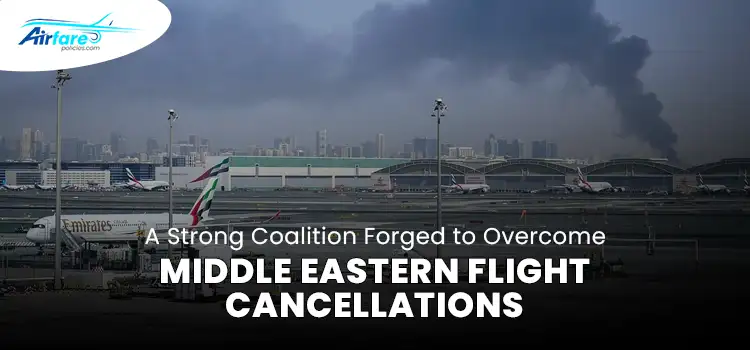
The Middle Eastern war has ravaged the aviation sector in the region. It has caused a ripple through the global travel industry. The situation borders a near shutdown of major transit hubs. As of early March, more than 21,000 flights have been canceled at seven key airports. These Airports include many busy ones ( such as Doha/ Dubai). Many passengers are still stranded (at different airports) in the Middle East. We are in this situation because of a war. The United States/ Israel launched a military operation against Iran. It began at the end of February. The retaliation escalated into a full-fledged war. It engulfed the entire Middle East.
What are authorities doing to overcome the Aviation Crisis?
The major flag carriers of many Middle Eastern countries have stepped up their game. Qatar has signed up to a rising group of countries working through civil aviation authorities/ air navigation providers/ airlines. This linkage will help share radar data/ coordinate temporary routes/ synchronize slot allocations at the few airports (that are fully operational). These mechanisms are being formalized into structures that will endure beyond the current emergency. Affected Middle Eastern countries established this informal bloc in the first few days of the crisis.
AFP Tip: Travelers should remain in constant touch with the official sources. It will help them receive the latest flight notifications. Visit the Airfare Policies website to ensure a successful flight journey in these volatile times.
Which Countries are in the latest Middle East Aviation Coalition?
Many Middle Eastern nations formed a working bloc to subdue the rising number of flight cancellations. These nations are working together for safer skies in the region. We have shared the list of member countries below.
- Qatar
- UAE
- Oman
- Saudi Arabia
- Kuwait
- Bahrain
- Iraq
- Jordan
- Israel
Other countries have also offered formal/ informal support to this Coalition. It has been done to uphold the global transit sector.
How has Qatar Airways bounced back in the time of Stress?
Qatar suspended the regular commercial flights (temporarily). It was one due to the closure of several air corridors. Qatar Airways resumed operations once approval was granted. The Qatar Civil Aviation Authority granted this assent.
- Qatar Airways has resumed limited operations. The Airline operated repatriation flights. It will help stranded passengers return home.
- The flight services resumed on March 10. Repatriation flights began to multiple destinations in Asia/ Europe/ Africa.
- Additional Flights also began on March 11. More destinations were added. It includes Toronto/ Paris/ Hong Kong/ Melbourne.
- These flights will aid thousands of passengers (who were stuck in Qatar).
- It is not a full resumption. These are mainly repatriation flights.
- The full return will depend on airspace clearance/ operational conditions.
What has Oman done to keep the Middle East Aviation Sector Alive?
Oman Air has played a key support role. It has assisted stranded travelers during recent airspace disruptions. The help has come through its flag carrier. Here are the key details about its role.
- The Airline operates many additional flights.
- The Air Carrier has assisted many passengers. 90,000+ travelers have returned home through its flights.
- The country has turned Muscat International Airport into a major transit hub.
- You will get alternative routes. The Airline provided alternative travel routes. It is given if you are unable to depart from the United Arab Emirates.
- Travelers will also get support at land borders. Passengers get special assistance when they cross the land border from the UAE to Oman.
- The Airline suspended some routes due to high risks. It includes flights to Amman/ Bahrain/ Dubai/ Doha.
- Many flight networks remain active in Oman. It has continued international flights to Europe/ Southeast Asia/ Africa.
How does the UAE ensure increased flight operations during war?
The UAE has gradually resumed flights. Emirates/ Etihad Airways have slowly restored normal operations (as conditions improve). We have shared the role of UAE carriers in wartime below.
| Airline | Current Operations | Flight Plan / Capacity | Passenger Priority |
|---|---|---|---|
| Emirates, Dubai | Gradually restored normal flight operations |
|
|
| Etihad Airways, Abu Dhabi | Resumed limited flight services |
|
|
What role have other Airlines played through this Coalition?
The Coalition has brought together multiple Airlines/ countries in the Middle East. It has helped with effective coordination as well as smooth repatriation of passengers. This Coalition has also eased tensions in the region’s aviation sector. Here is how other Airlines have shown efforts.
- Air Arabia has resumed limited flights (from its many operating cities). It includes Sharjah/ Ras Al Khaimah.
- These flights will serve many destinations (more than 40).
- Air India continues flights to Jeddah/ Muscat.
- British Airways now runs special services to Muscat.
- Many Airlines have adjusted to the ongoing tensions.
- Virgin Atlantic has stopped its seasonal Dubai service flights. It will stay for the rest of the winter season.
- Saudia has resumed some flights to/ from Dubai. You can also get flight options to other affected cities.
- Turkish Airlines/ Lufthansa have also made schedule adjustments.
- Some Airlines have made suspensions. It is to ensure passenger safety. Wizz Air/ Gulf Air has temporarily suspended flights to multiple affected destinations.
AFP Tip: Choose the safe travel corridors in the region for an uninterrupted journey. There are many such countries (Saudi Arabia/ Oman). Travelers should take the help of expert travel agents. It will ensure a safe/ hassle-free flight journey. Visit the Airfare Policies website for complete assistance.
How does the Coordinated Aviation Response help Passengers?
The Middle East aviation sector is in its most difficult period. It is due to the regional tensions of the US-Iran war. The affected aviation sector has created a new alliance to ease the travel situation. This new bloc offers hope for recovery. The coordinated response allows better management of the repatriation flights. It also helps flag air routes that are free from dangers. It has helped in the easy dissemination of emergency protocols. It includes covering costs for accommodation/ meals. This organized effort also facilitates flight rerouting via safe corridors. Passengers receive 24/7 support thanks to this synchronized effort.
Will the new aviation Coalition remain active in the future?
While its origins may be traced back to the immediacy of the current crisis, aviation experts note that its significance may be traced back to its precedent-setting role in terms of future regional cooperation in a politically fractured part of the world. It is noted that once the worst of the crisis is over, countries in the coalition plan to establish joint mechanisms for conducting risk assessments and crisis communication in terms of airspace contingency and closure in response to missile and drone attacks, as well as cyber attacks.
In the End
The Middle East region has shown a great sense of solidarity in the aviation sector. Qatar/ UAE/ Saudi Arabia/ Others have forged a coalition to ensure safe air travel. It will aid the ensuing repatriation efforts in the region. The newly formed Coalition will expedite this process. Many Airlines have come forward to help stranded passengers. It includes Qatar Airways/ Emirates/ Oman Air/ Etihad. These have opened repatriation flights so that passengers can return to their homes. The uncertainty still looms over the aviation sector of the entire region. The full recovery is still not in sight.
Visit www.airfarepolicies.com travel agents for further assistance on every flight-related issue. Our expert travel agents will help you with flight bookings/ cancellations/ refunds/ changes. Passengers will receive full help on all flight-related matters around the clock.
Faqs
The latest unity will help create a safe passage for the passengers who are stuck. Airlines can better organize their communications/ efforts. It offers a harmonized crisis response (to address disruptions).
This latest coordination will improve air safety in times of war. It will harmonize air traffic management/ implement joint safety audits. Airlines will share best practices/ incident data across member states. All these ensure a safe travel environment.
Participation has come from regional as well as international Airlines. Regional Air Carriers are Etihad/ Oman Air/ Emirates/ Others. British Airways/ Air India/ many more have also joined the effort.
The full resumption of commercial flight operations remains uncertain. It depends on regional stability as well as the reopening of airspace.
The Middle Eastern nations will welcome any country, as well as any airline, into the bloc. It will help the region’s travel sector to get back on track. Countries like Malaysia/ India have also contributed to the repatriation effort.
